Skin health plays a major role in how people feel about their appearance as they move through different stages of life. The natural aging process, daily environmental exposure, and lifestyle habits can gradually change the look and feel of the skin. Many individuals search for supportive approaches that work along with the body’s own systems rather than relying only on surface treatments. Understanding options that use natural components from the blood helps people make clear, informed decisions about long-term skin care. This knowledge supports better choices when seeking methods that encourage smoother texture, improved tone, and a fresher overall appearance through consistent and careful application.
Platelet-rich plasma therapy begins with a small sample of the person’s own blood that is processed to concentrate the platelets. These platelets contain growth factors that the body already uses for repair. Once prepared, the concentrated material is applied to the skin in a controlled way. The focus stays on supporting the skin’s natural response so that improvement builds gradually through the body’s existing healing pathways rather than introducing outside substances.
Injectable platelet-rich fibrin takes a similar starting point of drawing blood yet processes it differently to keep more of the natural fibrin matrix intact. This matrix allows growth factors to release more slowly and steadily. The resulting material is then introduced into the skin so that support continues over a longer period. The approach remains centered on using the individual’s own blood components to encourage the skin to respond in a measured, ongoing way.
Both the treatments utilize the same source of the person’s blood, but the methods differ in the preparation stage and the availability of growth factors for the skin. The table below reflects the differences between these two methods, which allows for making an informed choice.
Comparison Table
| Aspect | PRP | iPRF |
| What It Is | Concentrated platelets in plasma | Concentrated Platelets held within a fibrin matrix |
| Preparation | Faster and longer spin that separates plasma | Gentler and shorter spin that preserves fibrin |
| How It Works | Growth factors available more quickly | Growth factors release more slowly |
| Ideal For | Targeted support in shorter windows | Longer ongoing support for the skin |
| Skin Rejuvenation Uses | Texture and tone improvement | Texture, firmness, sustained glow, and volume replacement |
| Treatment Approach | Series of sessions with measured intervals | Series of sessions with steady release |
These therapies work by placing concentrated growth factors where the skin can use them to support its own repair processes. The body already contains the tools needed for renewal, and the treatments simply concentrate those tools so the skin receives extra encouragement where it needs it most. Improvement appears through gradual changes rather than sudden shifts, which keeps the process aligned with natural timing.
The concentrated growth factors encourage the skin to produce more of the protein that keeps tissue firm and resilient, helping maintain structure as the natural supply slows with age.
By supplying the signals the body already recognizes, the treatments help skin cells renew themselves more effectively and replace older surface layers with fresher ones over time.
Regular support smooths the surface by addressing small irregularities, so the skin feels even and looks refined under ordinary light without aggressive surface disruption.
Many common surface changes respond when the skin receives steady biological support. The same growth factors that help the body heal also assist with the gradual signs that appear from sun exposure, expression, and the passage of time. Focusing on these concerns keeps treatments practical and relevant to everyday appearance goals.
Soft creases that form from repeated movement receive support that helps the surrounding tissue stay more supple and less deeply etched.
Areas left uneven after earlier breakouts can gradually fill and blend as new tissue forms underneath the surface.
Rough or patchy spots become more uniform when the skin renews itself more consistently across the treated zones.
Natural brightness improves as circulation and cell turnover are gently encouraged, restoring a clearer, more rested look.
iPRF can also add volume to areas losing it due to age or treatment.
Both treatments help reduce hair fall and enhance hair regrowth.
Choosing methods that rely on the person’s own blood brings several practical advantages. The process stays close to the body’s normal functions, which many people prefer when they want support without adding foreign materials. Results develop at a pace that feels natural and sustainable.
Because the material comes from the individual, the risk of reaction stays low, and the treatment works in harmony with existing biological processes.
Over a series of sessions, the overall feel and appearance of the skin often become smoother, firmer, and even in tone.
Most people return to regular activities shortly after each session, making the schedule easier to fit into ordinary daily life.
Safety remains a central consideration whenever any material is introduced into the skin. Using the person’s own blood removes many of the concerns linked to outside substances, yet careful evaluation and proper technique still matter for every individual.
Temporary redness, mild swelling, or small bruises can appear at the treatment sites and usually settle within a few days without lasting effect.
Sterile technique, proper blood sample processing, and attention to the skin’s condition at the time of treatment help keep the process reliable.
A full discussion of medical history and current skin status determines whether the approach suits the person and supports a positive experience.
The number of sessions varies because every skin surface responds at its own rate. A measured plan allows the body time to use the growth factors and build visible change without rushing the natural timeline. Generally, 3-6 sessions are recommended every 4weeks.
Appointments are commonly spaced several weeks apart so that each treatment builds on the previous one while the skin continues its quiet repair work between visits.
Early improvements in texture and glow often appear after the first few sessions, with clearer and longer-lasting changes becoming noticeable as the full series continues.
Choosing between the two approaches depends on your specific goals and how your skin has responded to earlier care. Neither option is automatically better; the best match fits the individual’s needs and the professional assessment of the skin.
People seeking quicker surface refinement may lean one way, while those preferring longer-lasting support may lean the other, based on the changes they hope to see.
A careful review of skin type, concern priority, and overall health guides the final recommendation so the chosen method stays realistic and effective.
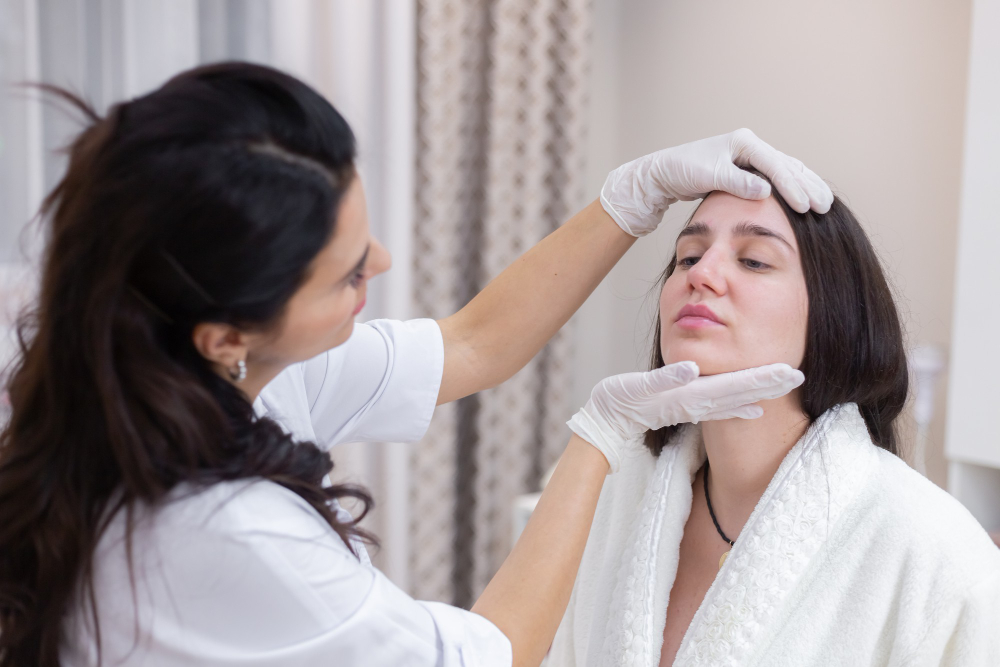
Dr. Prativa Shrestha, an experienced dermatologist at Glow Skin & Dental Clinic, performs PRP and iPRF procedures according to your skin problems, conditions, and skin regeneration needs. Emphasizing evidence-based dermatology practices, our specialists conduct a careful assessment of your skin and develop the best treatment approach. Our aim is to improve the appearance of your skin.
Dr. Prativa Shrestha is a board-certified and highly experienced dermatologist with more than 12 years of experience in medical and cosmetic dermatology. Her approach involves understanding her patients’ individual skin types, problems, and aesthetic needs before suggesting a treatment solution.
She uses her clinical knowledge and modern technologies in dermatology to resolve a number of issues related to pigmentation, skin texture, aging, and other skin-related problems.
Selecting a clinic with a focus on effective communication and accountability ensures that the whole process will be both enjoyable and beneficial. The approach at Glow Skin & Dental Clinic includes understanding an individual’s skin prior to treatment and making any necessary adjustments along the way.
Dr. Prativa Shrestha, an experienced dermatologist, will analyze the problems of patients and design an appropriate treatment plan based on their requirements.
Treatment procedures, sessions, preparation, and post-treatment care will be personalized based on your particular skin condition and preferences.
Your comfort, detailed explanations, and support during treatment are among our top priorities from the very beginning until the end of all sessions.
We carry out treatment according to appropriate protocols, taking into account patients’ comfort and individual characteristics, to ensure safe PRP or iPRF treatment.
The treatment will be recommended based on evidence-based principles of dermatology and the individual skin condition to make sure PRP and iPRF treatments are considered properly.
Advanced methods and proper treatment procedures facilitate accurate application, while safety, comfort, and natural results are guaranteed.
PRP and iPRF therapy offer regenerative approaches to skin rejuvenation by using components derived from the body to support natural skin repair and renewal. While both treatments can help improve skin texture, firmness, and overall appearance, the right approach depends on individual skin concerns and treatment goals.
At Glow Skin & Dental Clinic, our skilled dermatologist evaluates your skin and recommends a personalized treatment plan based on your needs. If you are considering PRP or iPRF for skin rejuvenation, schedule a consultation to learn which approach may suit you and what results you can realistically expect.